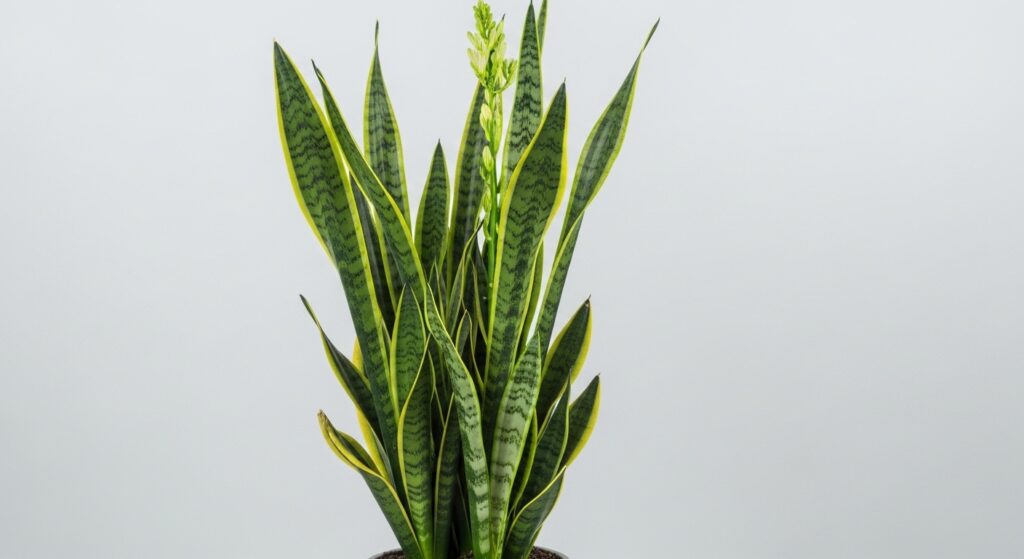
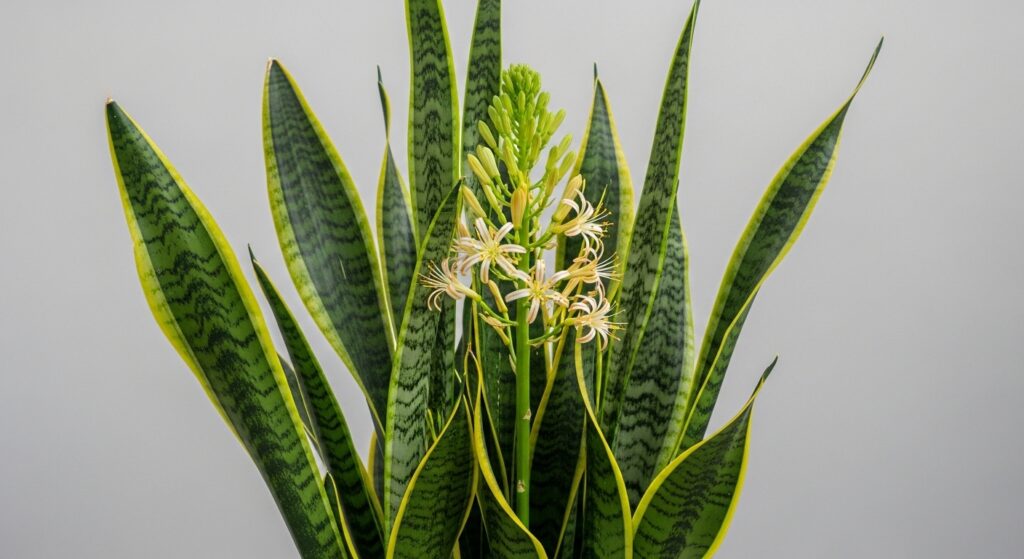
If your Sansevieria isn’t blooming even after all the care, check out these Ways to Encourage Snake Plants to Flower!
Best Ways to Encourage Snake Plants to Flower
What if I told you your snake plant is hiding a secret… and almost no one ever sees it? 🌙✨
Most people grow snake plants for their tough leaves and air-purifying power—but very few ever witness their rare, stunning flowers. Long stalks, delicate white blooms, and a sweet nighttime fragrance… it almost feels magical.
Here’s the truth: your snake plant isn’t refusing to bloom—it’s just waiting for the right signals. In the wild, these plants flower under specific stress conditions, and unless you recreate that environment, your plant will stay in survival mode.
But don’t worry—you don’t need to be an expert gardener to unlock this. With just a few simple adjustments, you can trigger blooming and finally see your plant at its full potential.
In this video, we’ll reveal the 3 most powerful ways to encourage your snake plant to flower—methods that mimic nature and wake up your plant’s hidden energy. If you’ve ever wanted to take your plant game to the next level, this is your moment.
Let’s unlock the bloom 🌼
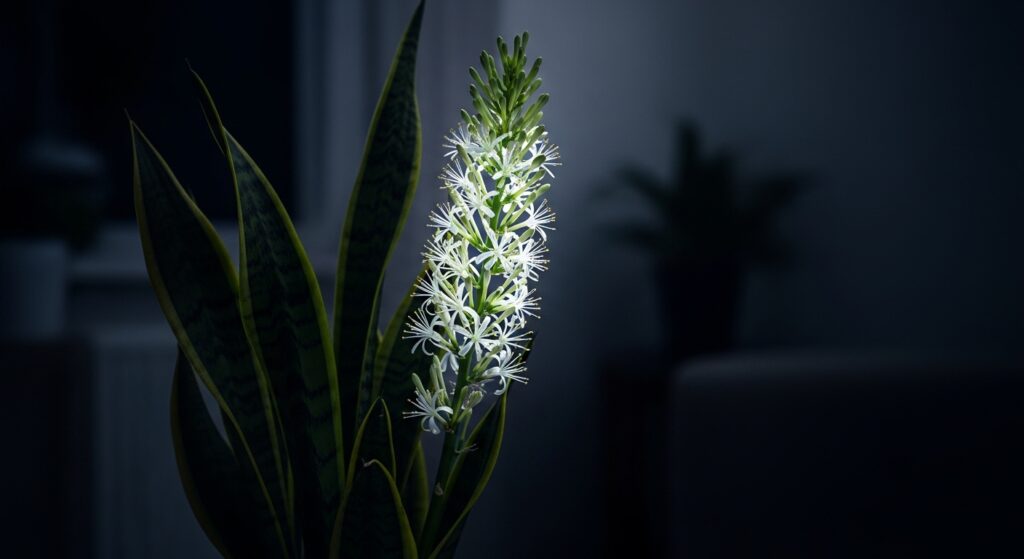
☀️ 1. Give It Bright, Indirect Light (The Bloom Trigger)
If your snake plant is sitting in a dark corner, it’s comfortable—but it’s not inspired to bloom. Light is one of the most critical triggers for flowering, and without enough of it, your plant simply won’t have the energy to produce blooms.
Snake plants can survive in low light, but they only thrive in bright, indirect sunlight. To encourage flowering, place your plant near a window where it receives consistent filtered light throughout the day. Morning sun is especially beneficial because it’s gentle yet energizing.
When exposed to proper lighting, your plant increases photosynthesis, storing more energy in its thick rhizomes. This stored energy is what fuels the production of flowers. Without it, blooming just isn’t possible.
However, avoid harsh direct sunlight for long hours, especially in hot climates—it can scorch the leaves. The goal is balance: bright but indirect.
A simple trick? Rotate your plant every couple of weeks to ensure even exposure. This prevents leaning and promotes uniform growth.
Think of light as your plant’s motivation. The more energy it receives, the closer it gets to producing those rare and beautiful blooms.
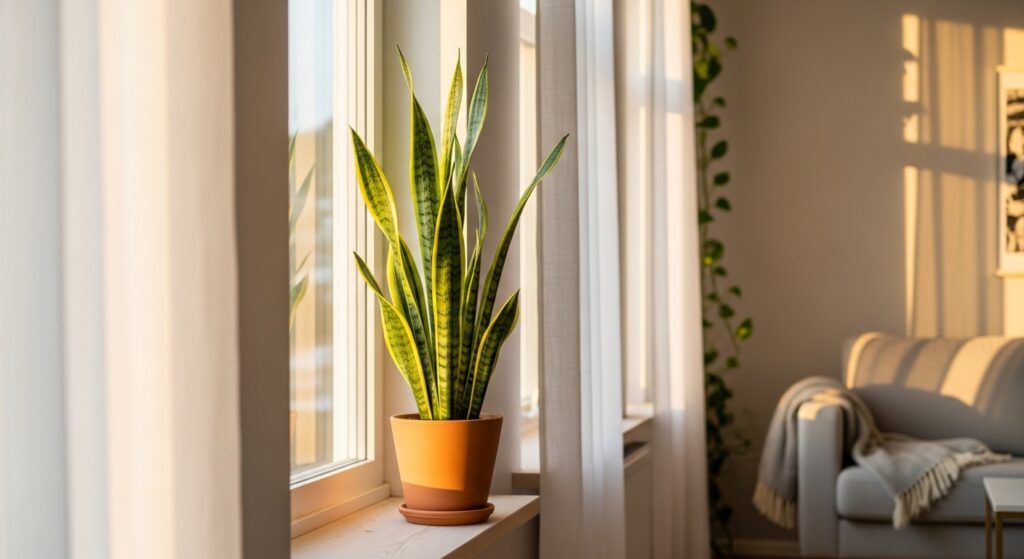
💧 2. Let It Experience Controlled Stress (The Secret Most People Miss)
Here’s something surprising: if you pamper your snake plant too much, it may never bloom. 😲
In fact, a little stress is exactly what triggers flowering.
In nature, snake plants bloom when they sense environmental pressure—like drought or limited resources. This signals the plant to reproduce before conditions worsen. You can replicate this at home through controlled stress.
Start by reducing your watering frequency. Let the soil dry out completely between waterings. Snake plants store water in their leaves and roots, so they can handle drought much better than overwatering.
Next, allow the plant to become slightly root-bound. Avoid repotting too often—keeping the roots a bit crowded can encourage blooming. When the plant feels restricted, it shifts energy toward reproduction instead of just growing leaves.
But be careful—this is about controlled stress, not neglect. Don’t let the plant shrivel or suffer damage.
This method works because it mimics the plant’s natural survival instincts. When done correctly, it can be the exact push your snake plant needs to send up that elusive flower spike.
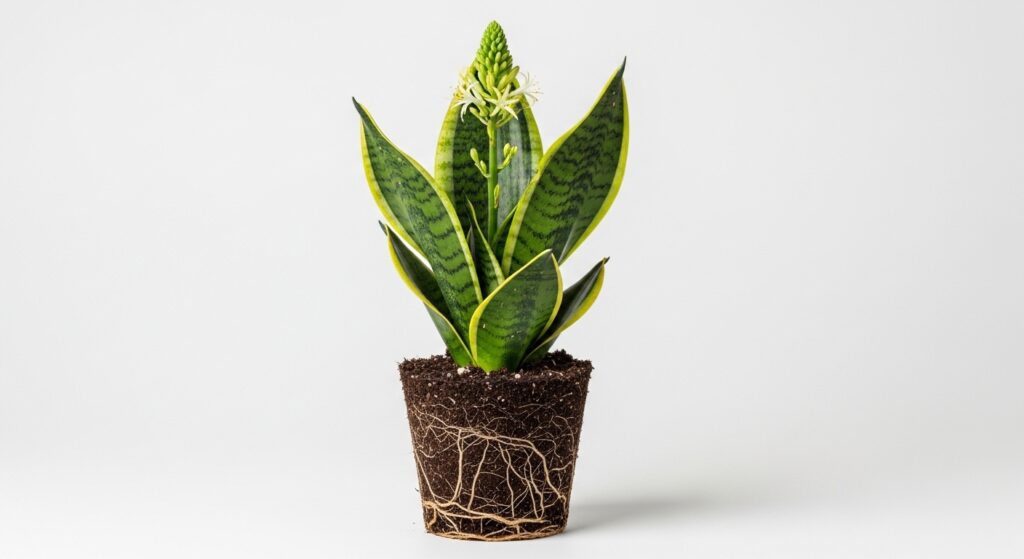
🌡️ 3. Maintain Warm Temperatures & Consistent Care
Temperature plays a bigger role in flowering than most people realize. Snake plants are native to warm, tropical regions, and they rely on consistent warmth to stay active and healthy.
To encourage blooming, keep your plant in an environment between 20–30°C (68–86°F). Sudden drops in temperature or exposure to cold drafts can slow growth and prevent flowering altogether.
Consistency is key. Avoid moving your plant around too often or exposing it to fluctuating conditions. Stability helps the plant feel secure enough to enter its blooming phase.
Humidity also helps, though snake plants are quite adaptable. If your space is very dry, occasional misting or placing a water tray nearby can create a more favorable environment.
In addition, feed your plant lightly during the growing season with a balanced fertilizer. This provides essential nutrients that support flowering without overwhelming the plant.
When you combine warmth, steady care, and the right environment, your snake plant will have everything it needs to thrive—and eventually bloom.
Patience is crucial here. Flowering doesn’t happen overnight, but with consistent care, your plant will reward you in the most beautiful way possible 🌼✨
If you want, I can also turn this into AI image prompts, thumbnail ideas, and viral captions to