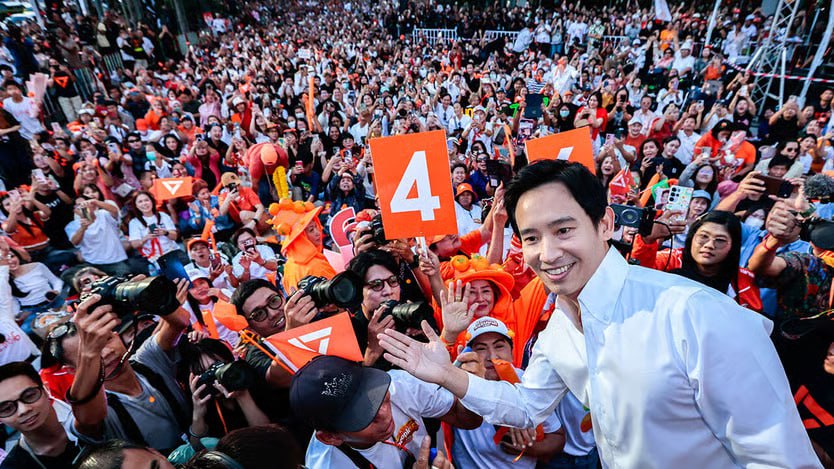
The People’s Party, successor to the dissolved Move Forward Party, is campaigning without its banned former leader Pita Limjaroenrat and has dropped its pledge to amend the lèse-majesté law, long a red line for the establishment. Although the Senate will no longer participate in selecting the prime minister, legal pressure remains, with an ethics investigation that could still disqualify the party’s current leader.
Polling cited by The Economist shows liberal support weakening while Prime Minister Anutin Charnvirakul’s Thai Pride Party has surged by combining populist economic measures with explicit backing for the monarchy and armed forces. A brief border clash with Cambodia in December has reinforced nationalist sentiment and strengthened support for the military’s political role.
The race has become a three-way contest among liberals, populists and conservatives, with coalition arithmetic likely to outweigh ideology. Analysts say the outcome will indicate whether Thailand’s system is opening space for reformist forces or consolidating around a more civilian-led version of the existing order, prioritising stability over structural change.
Midnight