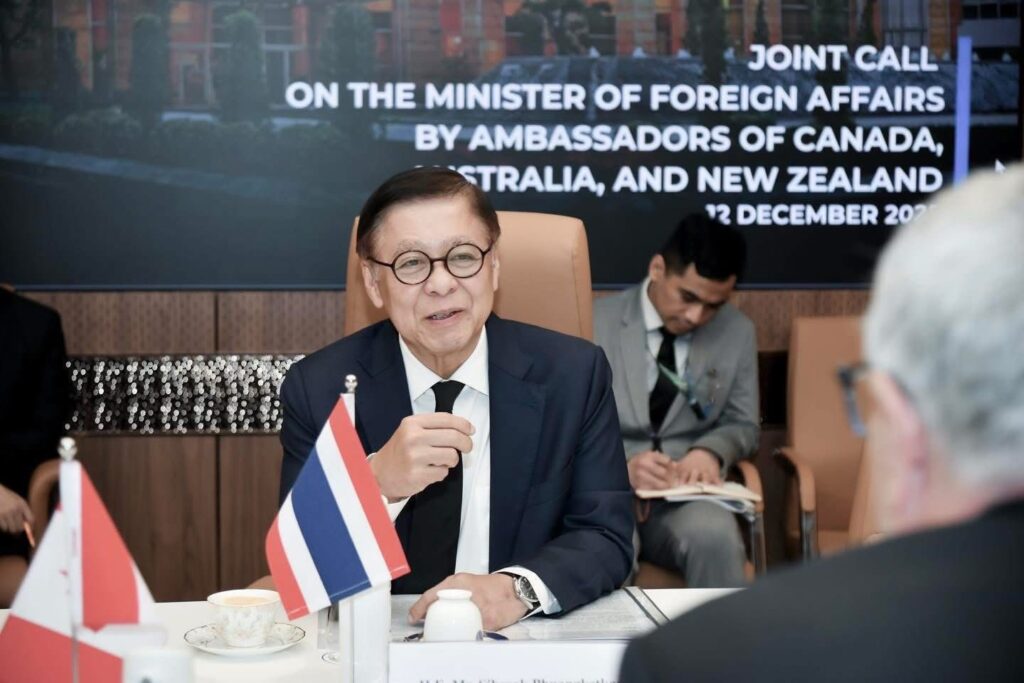
The briefing repeatedly asserts outcomes that Thailand is acting proportionally, that peace depends on Cambodia’s readiness, that facts are already clear yet offers very little material that can be independently checked.
The MFA says “ASEAN observers confirmed” newly laid landmines. If that confirmation exists, it should be straightforward to publish: the ASEAN document, the date of verification, the locations, and the method used. Without that, the claim remains an assertion, not a regional finding.
The ceasefire logic also doesn’t fully add up. Thailand says a ceasefire must come from Cambodia and depends on Cambodia’s readiness, while at the same time saying it welcomes satellite verification and transparency. But verification is not something that comes after readiness, it is what creates readiness. A monitored halt, deconfliction steps, and third-party reporting are the mechanisms that allow both sides to pause without conceding guilt.
The briefing also bundles many unrelated issues together border fighting, online scams, trade tariffs, and the Poipet humanitarian situation. Each of these requires different facts, different remedies, and different institutions. Folding them into one narrative blurs accountability and makes the core border situation harder to verify, not easier to resolve.
If Thailand is genuinely committed to transparency and proportionality, the path forward is not complicated. Publish the evidence that is being cited. Accept independent monitoring with clear terms. Separate political grievances from battlefield facts. Let verification carry the record not statements alone.
Midnight